
 +44 20 3695 6722
 Sign in
The Impact of DDoS Attacks on Businesses. A Closer Look
What effects do DDoS attacks typically have on businesses? And what lessons can we learn from well-known incidents? Let’s explore these questions in detail.
What effects do DDoS attacks typically have on businesses? And what lessons can we learn from well-known incidents? Let’s explore these questions in detail.

This year, we've been on a mission to expand our global filtering network. But we're not just about new horizons; we're also beefing up our long-standing strongholds. Case in point: our July upgrade of the Frankfurt am Main filtering point.
DDoS attacks in the Middle East and Africa region increased by 211% in Q2 2024. This makes MENA the second fastest-growing region for DDoS traffic.

This year, we opened a new scrubbing center in Dubai (UAE). It will help us protect clients in the MENA region faster and more effectively.
We investigated the features of DDoS attacks for the second quarter of 2024 in APAC and collected statistics on industries and the most affected countries.
DDoS attacks increased by 104% YoY. Europe received more DDoS attacks than the US, which is highly unusual.
In this report, we analyze DDoS attack data from our clients across various industries in the region. Q1 2024 in APAC showed a yearly increase of DDoS traffic at 108%.
This report covers DDoS attacks against StormWall’s clients in Q1 2024, covering the Middle East and Africa region, as observed through our traffic filtering network.
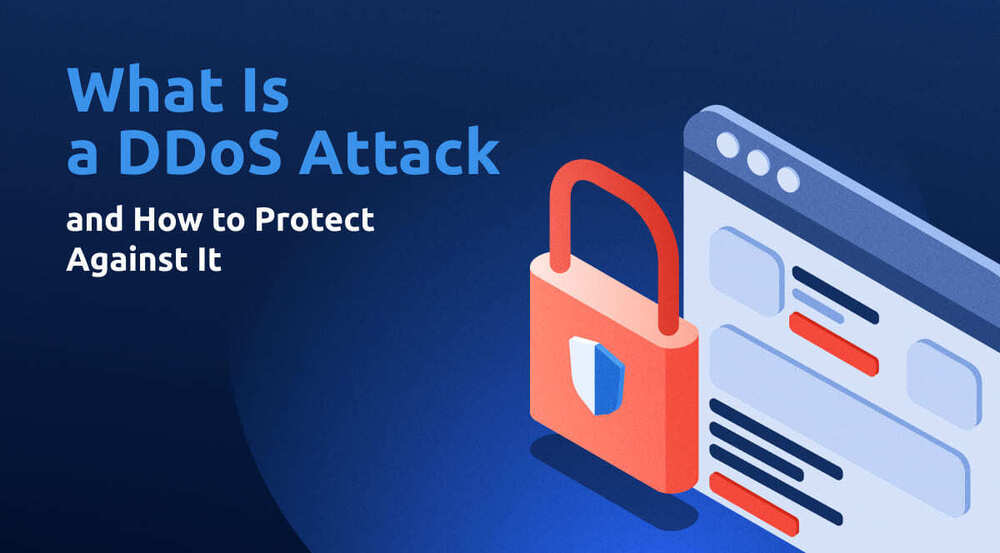
A DDoS attack is carried out simultaneously from a vast number of devices that attackers have taken control over, gaining the ability to send commands to generate floods of bogus requests. An attack of this kind can cause a denial of service to systems owned by a large enterprise or to an entire network.
It's no secret that DDoS attacks are a major disruptor of online services and can cause significant business losses. As attacks grow in power, the situation is becoming increasingly dangerous, and by 2024, DDoS could threaten the Internet itself.
